
WHAT WE DO
Our programmes
We are not a treatment hospital. Our core mission is driving early detection and cancer prevention before treatment ever becomes necessary.
Running Now
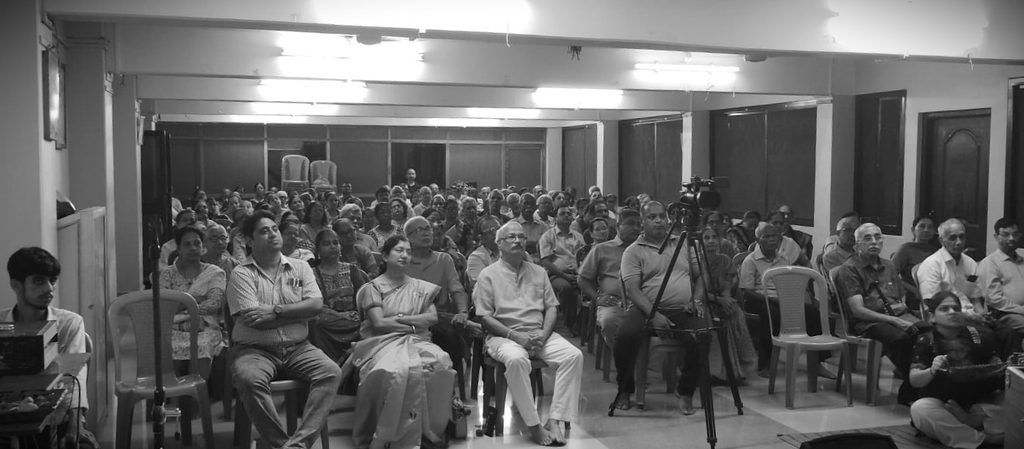
Community Awareness
We bring oncologists and researchers to community halls, hospitals, workplaces and colleges to talk plainly about cancer — what raises risk, which cancers can be caught early, and how to read the body’s warning signs. Sessions end with an open question-and-answer, and often a quiz.
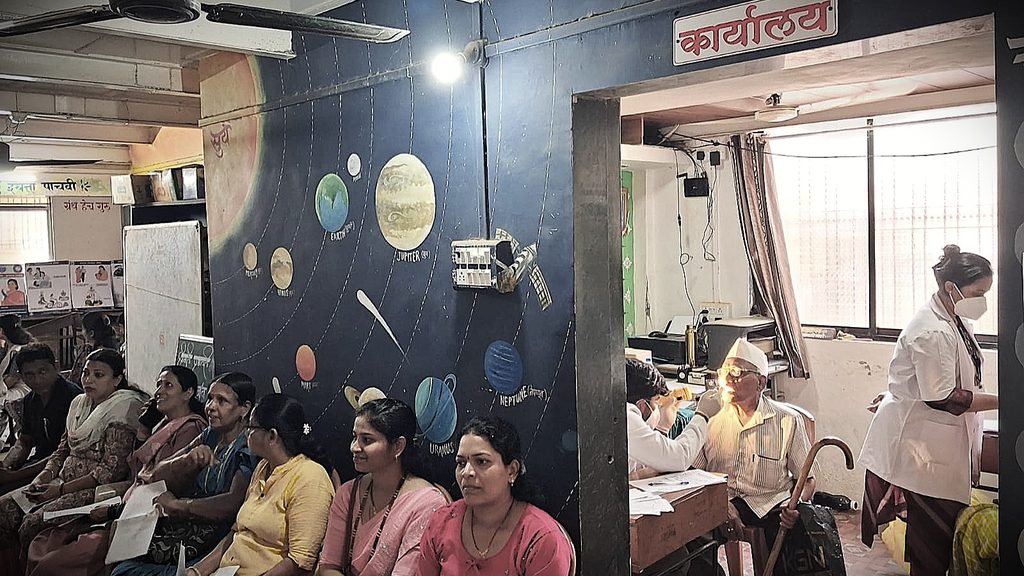
Screening camps
We organise camps that bring qualified doctors to places where screening rarely reaches — screening women for breast and cervical cancer and, since Poladpur, men and women for oral cancer. Screening is carried out by clinicians from partner institutions, most recently Tata Memorial Centre’s Centre for Cancer Epidemiology.
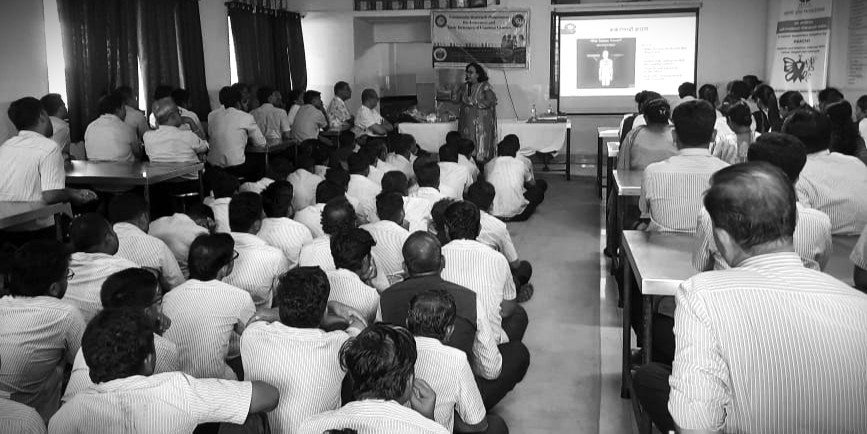
Prevention & Lifestyle Sessions
Interactive workshops focused on risk factor reduction, tobacco cessation, lifestyle intervention, and teaching self-examination techniques for early risk identification. At Poladpur we ran a session and quiz for middle-school students on the health effects of tobacco, and we intend to expand this work in schools.

Information & publications
Dr Ram Datar’s Marathi guide to cancer — written for people with no medical background — is given free at our sessions. We publish our newsletter PRACHI Spandan, and carry cancer information in English and Marathi on this website.
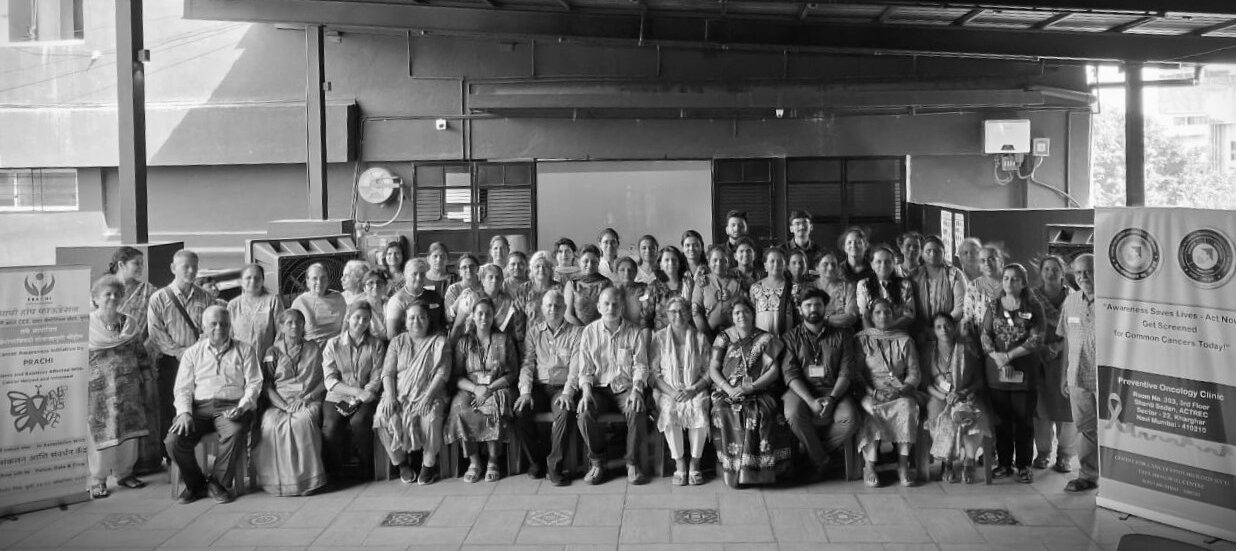
Volunteer training
Awareness work is only as good as the people delivering it. In October 2025, Tata Memorial Centre trained and certified 54 of our volunteers over two days, including hands-on practice in clinical breast examination and cervical swab collection. A further ten were sponsored to a cervical cancer workshop at Deenanath Mangeshkar Hospital.
Patient support group
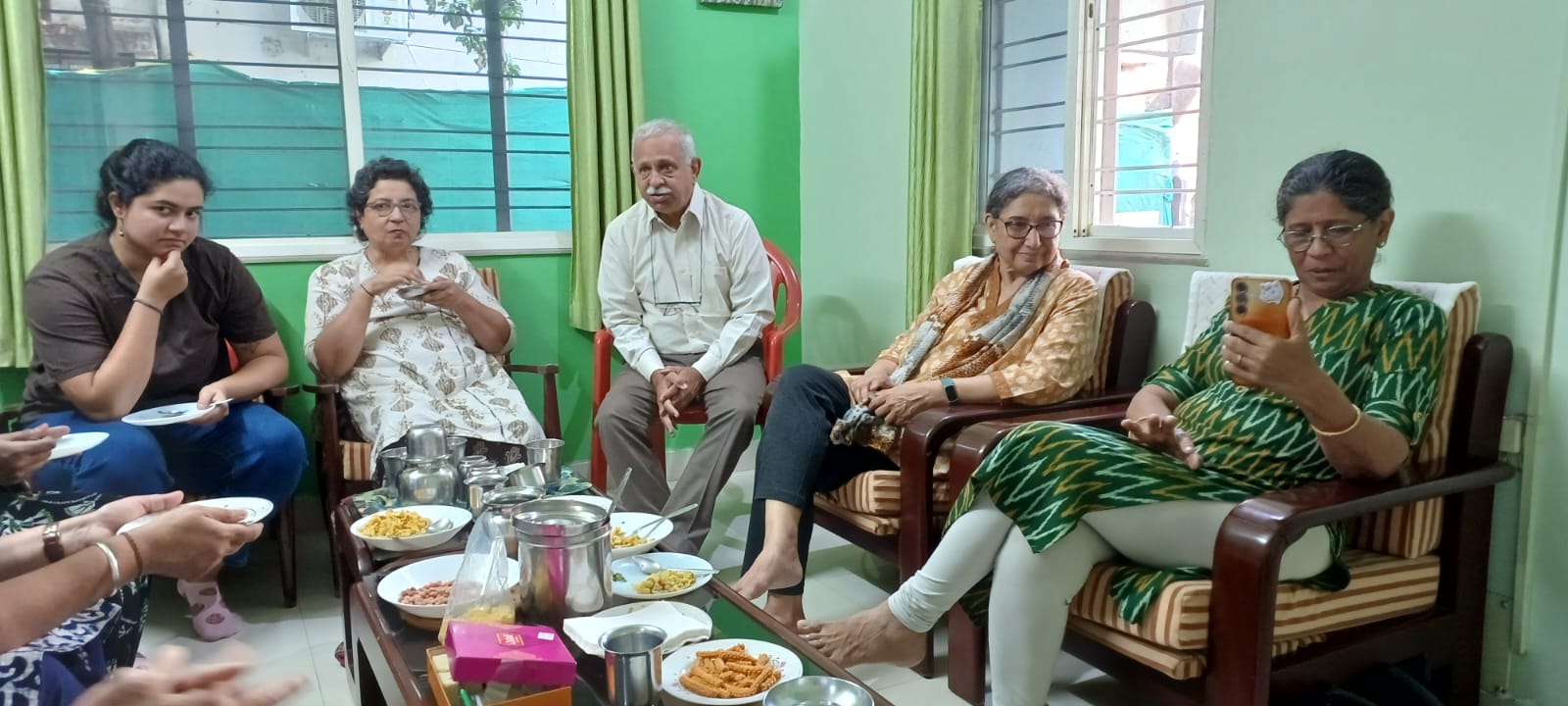
Some things are easier to say to people who already understand. Our patient support group met for the first time in March 2026, with eight members sharing their experiences of treatment, insurance and caregiving. It now meets monthly. We are keeping it small while we learn what people most need from it.
What we don’t do — and why we say so
Being straight with you matters more than sounding like we do everything. So, plainly:
- We are not a hospital. We don’t diagnose or treat cancer ourselves, and we can’t replace your doctor.
- We don’t offer palliative care, or medical or financial guidance for individual patients.
- We don’t profit from our activities
- We don’t promote or endorse private businesses or commercial products and services
- Our support group is for people who already have a cancer diagnosis.
What we’re building
These services are designed and staffed but not yet fully running. We’d rather under-promise to a donor than over-promise to a patient — so here is exactly where each stands.
Tobacco de-addiction & cessation
In partnership with Tata Memorial Centre’s Tobacco Cessation Clinic, we are training volunteers and working toward community cessation support, including the national quitline.
A research wing
Led by our advisor and director Dr Anushree Vartak, to ground our work in evidence.
Survivor & quality-of-life sessions
Bringing survivors together and supporting life during and after treatment.
Cancer prevention centres
Permanent community bases for awareness, screening and guidance.
Patient guidance & navigation
Helping patients and families find the right hospitals, understand costs, and access second opinions.
Second medical opinions
Pointing patients to trusted, evidence-based second-opinion services from Tata Memorial Centre and the National Cancer Grid.
Bring PRACHI to your community
We’re already receiving requests from workplaces, societies and community groups. If you can gather people, we can bring the doctors.